

Glass Mousepads vs Cloth: Static Friction, Stopping Power & Dynamic Glide
TL;DR
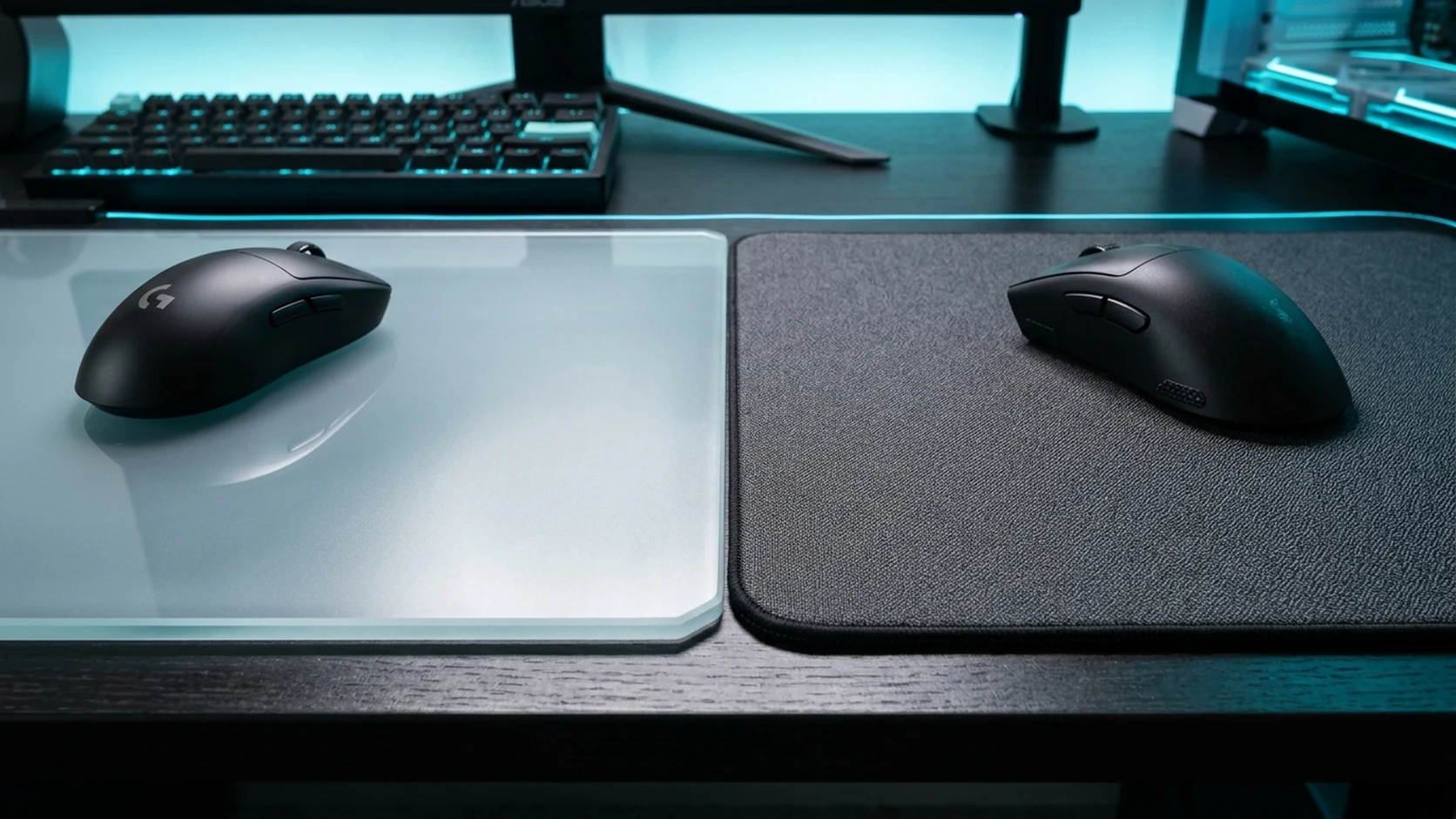
Tempered glass mousepads minimize static friction for effortless micro-adjustments and fast tracking, but require high mechanical hand control due to near-zero stopping power. Cloth pads offer sponge-assisted braking ideal for tactical flick stability.


Understanding Friction Coefficients in Mousepads
When selecting a competitive mousepad, players frequently encounter vague marketing terms like “speed” and “control.” In physical reality, mousepad performance is determined by two measurable physical properties:
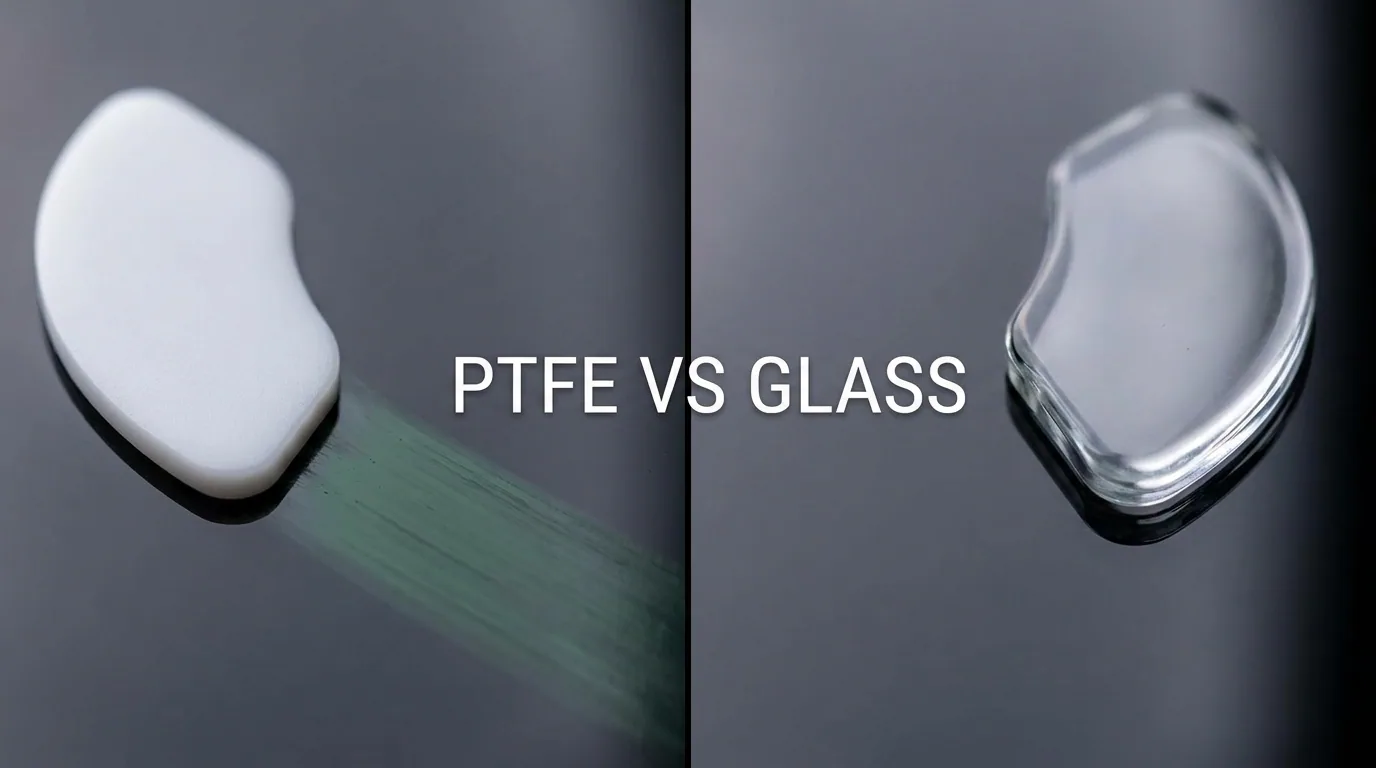
- Static Friction (Initial Friction): The lateral force required to start moving your mouse from a dead stop. Low static friction makes micro-adjustments effortless without a "muddy" initial tug.
- Dynamic Friction (Glide Resistance): The continuous resistance felt while the mouse is moving across the surface.
- Stopping Power (Braking Force): The tactile resistance that assists your muscles when decelerating to a stop on a target.
Glass vs Cloth Surface Properties
| Metric | Tempered Glass Pad | Hybrid Weave Pad | Traditional Cloth Pad |
|---|---|---|---|
| Static Friction | Extremely Low (Near-zero resistance) | Low to Moderate | Moderate to High |
| Stopping Power | Minimal (Muscular braking only) | Moderate | High (Foam base assists stop) |
| Humidity Resistance | 100% Impervious | Moderate (Resists light sweat) | Low (Becomes slow when humid) |
| Skate Durability | Requires frequent skate replacement | Standard PTFE lifespan (6–12 mos) | Long PTFE lifespan (12+ mos) |
How Sponge Density Influences Stopping Power
Cloth pads utilize a rubber or polyurethane foam base (such as Japanese Poron). When you flick and press down onto the pad, your mouse feet sink into the soft substrate, creating mechanical friction that arrests movement quickly. This cushion-based braking is what tactical shooter players rely on for crisp headshot snaps.
Glass pads, by contrast, possess zero vertical compliance. You cannot press into the surface to stop. All deceleration must be generated by eccentric muscle contraction in your forearm and fingers. For high-speed tracking titles like Overwatch 2, Apex Legends, or Quake, this freedom feels liberating. For CS2 or Valorant, it demands exceptional motor discipline.
Recommendations by Game Genre
- Choose Glass If: You primarily play fast tracking shooters, use low friction PTFE/UHMWPE dot skates, wear an arm sleeve, and prioritize consistency across varying room humidity.
- Choose Cloth/Hybrid If: You main tactical FPS games requiring precise static crosshair placement, play with heavier mice (60g+), or prefer tactile feedback when stopping flicks.
When swapping between glass and cloth surfaces, test your target acquisition timing with the DCPROSENS Converter & Calculator to verify whether slight cm/360 adjustments are needed for your new friction profile.
Pair Your Peripheral Surface With Pro Crosshair Technique
Explore angle-clearing and pre-aim micro-stops in our Crosshair Placement Secrets guide, or discover comprehensive sensitivity science in The Ultimate Sensitivity Guide.
Frequently Asked Questions
Do glass mousepads ruin mouse skates quickly?
Yes. Standard PTFE skates wear down significantly faster on glass surfaces. Most competitive players use hardened UHMW-PE or specialized dot skates on glass pads.
Is a glass mousepad good for tactical shooters like Valorant?
Glass pads require extreme manual stopping discipline. In tactical shooters where micro-stops and angle holding dominate, control cloth or hybrid pads are generally preferred.
How does humidity affect cloth vs glass pads?
Cloth pads absorb atmospheric moisture, altering friction throughout the day. Glass pads are completely immune to humidity changes, providing identical glide year-round when wiped clean.
Equipamentos de Elite Recomendados
Mouses ultra-leves topo de linha recomendados pelo Treinador Dalto para máxima precisão de sensor e consistência física no seu mousepad:
Logitech G Pro X Superlight 2
O mouse mais vencedor do cenário competitivo. Shape icônico, sensor HERO 2 e switches ópticos-mecânicos híbridos.
Razer Viper V3 Pro
Rastreador preciso com polling rate sem fio nativo de 8.000 Hz e formato simétrico ergonômico moderno.
Razer DeathAdder V3 Pro
Excelente para pegadas palm ou claw que querem apoio anatômico. Sensor Focus Pro 30K de última geração.
Lamzu Atlantis OG V2 / Thorn
Mouse boutique com peso irrisório e base vazada. Pegada traseira perfeita para controle agressivo de claw grip.
🎯 Lock In Perfect 1:1 Aim & Pro Consistency
Tired of daily aim inconsistency? Calibrate your physical cm/360, scope matching, and sensor latency. Get the complete Precision Aim System (4-Part Technical Manifestos) today for only $9.00 USD!
Unlock Elite Precision ($9) ⚡Dalto Outlier
Creator, DCPROSENSDalto built DCPROSENS to help competitive FPS players convert sensitivity, calibrate DPI, and keep their aim consistent across games.
Related Guides & Articles
Disclosure: some links on this page are affiliate links. As an Amazon Associate, DCPROSENS earns from qualifying purchases at no extra cost to you.

